Industry has continuously adapted to new technologies, changing economic conditions, and shifting customer expectations. Each industrial revolution has introduced innovations that changed how products are designed, manufactured, and delivered. Today, businesses are entering a new phase that places equal importance on advanced technology, skilled workers, and environmental responsibility. Industry 5.0 represents a broader vision for manufacturing, one that seeks to improve productivity while supporting people and promoting sustainable practices.
The Journey Through Four Industrial Revolutions
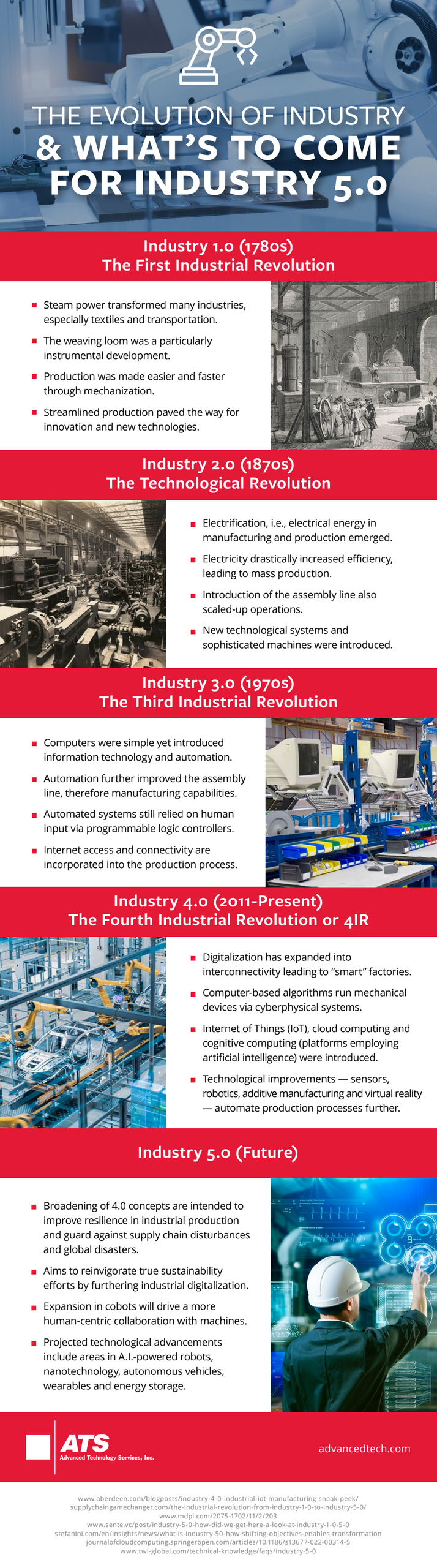
The First Industrial Revolution introduced steam-powered machinery, allowing factories to produce goods on a much larger scale than hand production. This period marked the beginning of modern manufacturing and significantly changed transportation and commerce.
The Second Industrial Revolution expanded industrial growth through electricity, assembly lines, and standardized production methods. Manufacturers could increase output while lowering production costs, making many products more affordable and widely available.
The Third Industrial Revolution introduced computers, programmable machines, and digital controls. Automation improved production accuracy, reduced manual tasks, and increased consistency across manufacturing operations.
Industry 4.0 built on these advances through connected equipment, artificial intelligence, cloud computing, sensors, and real-time data collection. Manufacturers gained greater visibility into production, allowing faster decision-making and improved operational efficiency.
What Defines Industry 5.0
Industry 5.0 shifts attention beyond automation alone. Instead of focusing only on machines working faster, this approach emphasizes collaboration between technology and people.
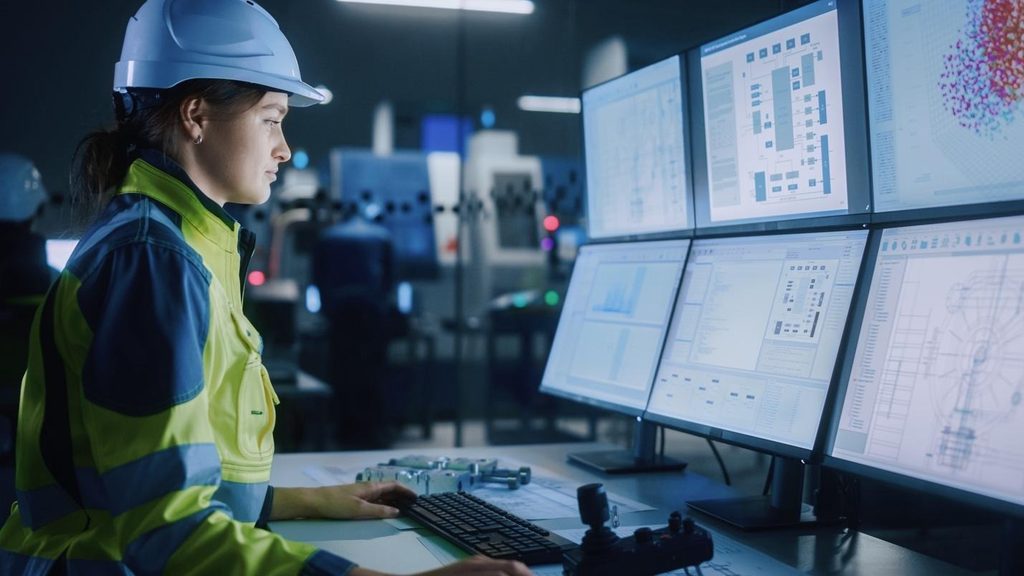
Advanced robotics, artificial intelligence, and smart systems continue to improve manufacturing processes, but human creativity, judgment, and problem-solving remain essential. Employees provide flexibility and innovation that technology cannot fully replace.
Businesses are increasingly using automation to handle repetitive or physically demanding tasks while allowing employees to concentrate on quality improvement, product development, and process optimization. This balance creates workplaces where technology supports people rather than replacing them.
Sustainability Takes a Central Role
Environmental responsibility has become a major priority within Industry 5.0. Manufacturers are working to reduce waste, improve energy efficiency, lower emissions, and use raw materials more responsibly.
Many facilities are investing in energy-efficient equipment, recycling programs, water conservation systems, and production methods that generate less waste. Data collected from connected manufacturing systems helps identify opportunities to improve resource efficiency without sacrificing productivity.
These improvements often reduce operating costs while supporting long-term environmental goals. Supply chain decisions are also becoming more sustainable through responsible sourcing, improved logistics planning, and greater attention to product life cycles.
Preparing the Workforce
Technology continues to evolve, making employee development more important than ever. Workers need opportunities to build new technical skills while strengthening problem-solving and communication abilities.
Many organizations invest in industrial maintenance training so technicians can safely operate, inspect, repair, and maintain increasingly sophisticated manufacturing equipment. Continuous learning helps businesses remain competitive while giving employees greater confidence in adapting to new technologies. A knowledgeable workforce also contributes to safer facilities and more reliable production.
Building Greater Resilience
Recent global disruptions have demonstrated the importance of flexible manufacturing systems. Industry 5.0 encourages businesses to build operations that can respond more effectively to supply chain interruptions, changing customer demand, and workforce challenges.
Digital monitoring, predictive maintenance, diversified suppliers, and improved production planning all contribute to stronger operational resilience. Companies that prepare for unexpected events are often able to recover more quickly and continue serving customers with fewer interruptions. Resilience has become just as valuable as efficiency in today’s manufacturing environment.
Industry 5.0 reflects a broader vision for manufacturing that values people alongside technology. By encouraging collaboration between skilled employees and intelligent systems, organizations can improve productivity while reducing environmental impact. This balanced approach supports stronger businesses, healthier communities, and a more sustainable industrial future for generations to come. Check out the infographic below for more information.