
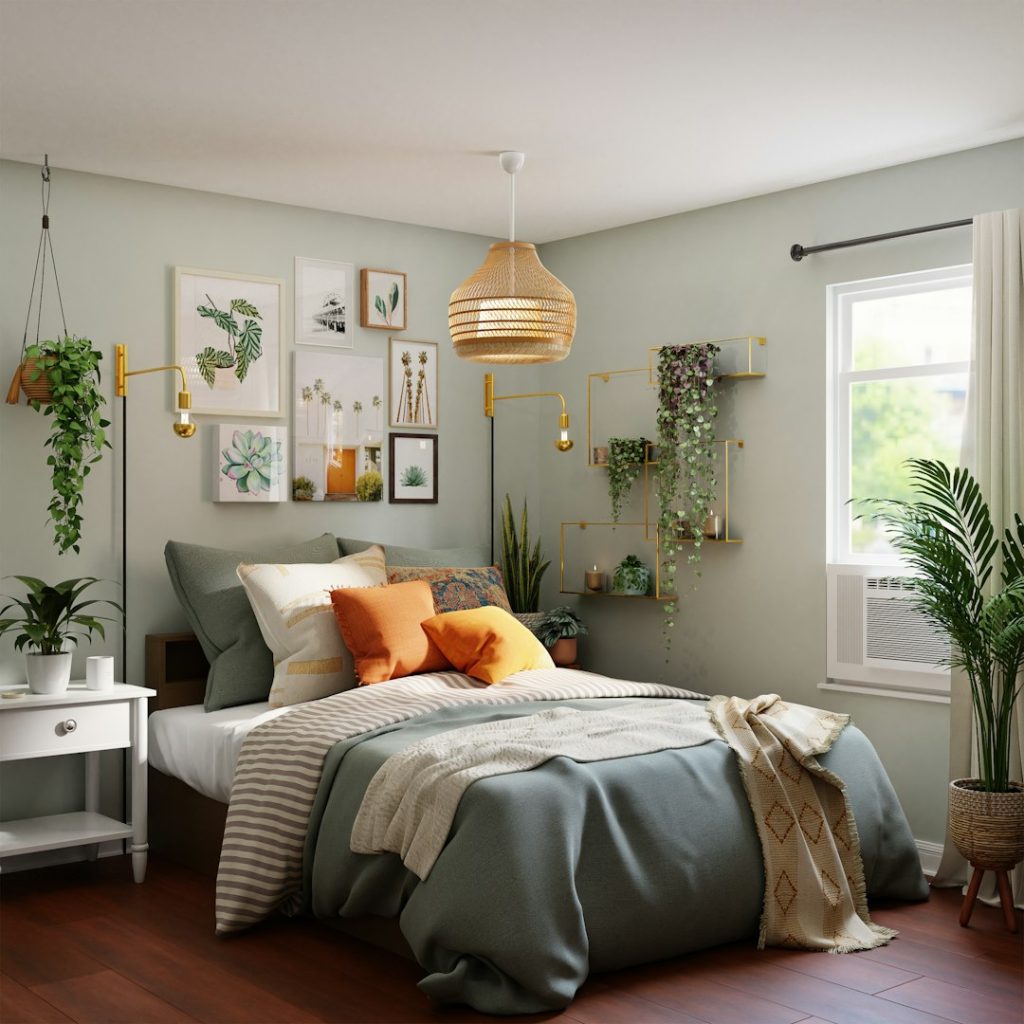
A small bedroom can feel cramped when clothes, chargers and everyday essentials have no clear place to live. The solution is rarely a complete makeover: it starts with making each square metre work harder and recognising which habits create unnecessary clutter. From household bills to browsing an australian online casino during downtime, our digital routines can compete for attention, but an organised sleeping space makes it easier to switch off and focus on rest. With a few thoughtful changes, even a tiny room can become comfortable, functional and surprisingly calm.
Start With a Clear-Out Before Buying Storage
The cheapest storage solution is often owning less. Before buying baskets or shelving, take everything off your bedside table, empty one drawer at a time and sort items into four groups: keep, relocate, donate and recycle. Work in short sessions so the task stays manageable. Anything you use daily should be easy to reach; seasonal items can go into less accessible spaces.
Be strict with duplicate products, damaged accessories and clothes that no longer fit. If you are unsure about an item, set it aside in a labelled box for a month rather than buying a container to hide it. Clearing surfaces first also helps you see how much storage you actually need, preventing expensive purchases that solve the wrong problem.
Measure Your Room and Plan Practical Zones
A small bedroom needs a layout that supports real routines. Measure wall lengths, furniture widths, bed clearance and the swing of every door before moving anything. Sketch a simple floor plan on paper. Your priorities are an accessible bed, a practical clothing area and enough floor space to move safely. Do not block windows, ventilation or emergency exits with furniture.
Look for underused corners instead of filling every wall. A narrow desk may fit beside a wardrobe, while a compact lamp can replace a wide bedside table. Try arranging furniture using painter’s tape on the floor before committing to a purchase. This five-minute step can save you from ordering shelves or drawers that prevent a door from opening fully.
Use the Space Under Your Bed
The area beneath a bed is one of the most overlooked storage opportunities. Shallow, lidded boxes can hold spare bedding, off-season clothing or shoes. Reused clean containers are a low-cost starting point; add simple labels so nothing disappears into an anonymous pile. If the bed sits too low, purpose-built bed risers may help, provided they are compatible with the frame and fitted securely.
Choose containers based on the available height, not their advertised capacity. Fabric zip bags work well for soft items, while rigid rolling boxes suit objects you reach for often. Keep the space clean and avoid storing damp fabrics underneath, particularly in rooms prone to condensation.
Make Vertical Storage Work Harder
When floor space is scarce, go upwards. Wall hooks can hold bags and jackets, a narrow shelf can display books, and a pegboard can keep accessories visible. Over-door organisers are useful for shoes, scarves and smaller supplies, although the door must still close freely. Choose renter-friendly removable products only where the wall finish and manufacturer instructions allow them.
Avoid installing heavy shelves without the correct fixings. Check for electrical wiring and pipes before drilling, use suitable wall anchors and keep heavier items lower down. The goal is practical, secure storage rather than squeezing an entire cupboard onto an unsuitable wall.
Choose Furniture That Does Two Jobs
You do not need a room full of specialised furniture. A storage ottoman can serve as seating and hold blankets. A bedside stool can replace a bulky table, while a bed with integrated drawers may eliminate the need for an extra chest. For tighter budgets, search second-hand marketplaces and reuse furniture you already own.
Compare the overall footprint before buying. A tall, narrow chest can make more sense than a low, wide dresser, but it must be secured against tipping as recommended by the manufacturer. Focus on pieces that solve a specific storage problem instead of buying furniture simply because it is labelled space-saving.
Organise Your Wardrobe by What You Actually Wear
A well-organised wardrobe cuts down on the morning search for an outfit. Group clothes by category, then put frequent favourites at eye level. Use slim matching hangers only if your current hangers waste valuable space. Drawer dividers can be made from sturdy recycled cardboard, and small boxes can separate socks, belts and accessories.
Fold T-shirts upright where drawer depth allows so you can see each item without disturbing the stack. Store off-season clothing higher up or beneath the bed. Before installing a second hanging rail, check the actual length of the garments; dresses and coats need more vertical clearance than shirts.
Create a Clutter-Free Bedside Area
Your bedside area should hold the essentials, not every item you touched that day. A lamp, book, water bottle and charging point are usually enough. Use a small tray to corral loose items and attach a simple cable clip to keep charging leads off the floor. If there is no room for a bedside table, a slim wall-mounted ledge may be an alternative when installed safely.
A useful rule is to reset the surface every evening. Put cups back in the kitchen, return cosmetics to their storage area and move paperwork to a dedicated folder. Small nightly actions prevent the kind of build-up that makes an otherwise tidy room feel chaotic.
Try Inexpensive DIY Bedroom Storage Ideas
Turn sturdy shoeboxes into drawer organisers using paper labels or leftover wrapping paper.
Repurpose a clean jar for hair accessories, stationery or spare charging cables.
Use existing wall hooks for handbags rather than storing them on the floor.
Create labelled baskets for laundry, items to repair and items to donate.
Refresh a second-hand bedside table with new handles or a careful coat of paint.
DIY improvements work best when they are simple to maintain. Make sure repurposed containers are clean, stable and free of sharp edges. If a project needs expensive tools or complicated installation, buying a modest second-hand solution might be cheaper and safer.
What Should You Spend? A Sample Budget
You can start with almost no money. The table below is an illustrative budget in Australian dollars, not a list of current retail quotes. Shop your home first, check local second-hand listings and adjust the amounts to suit what you already own.
Upgrade
Example allocation
Budget benefit
Second-hand boxes or baskets
A$10–20
Contain loose items
Hooks and cable clips
A$5–15
Clear surfaces
Drawer dividers / DIY supplies
A$0–10
Separate small items
Optional under-bed containers
A$15–30
Use hidden storage
Total illustrative range
A$30–75
Scale down with reused items
Rather than spending the full amount at once, complete the clear-out, test a new layout and buy only the products that solve a remaining problem. This approach helps keep purchases purposeful and reduces the chance of adding fresh clutter.
Keep the Room Looking Bigger Without Major Renovations
Organisation affects how spacious a room feels. Try keeping the floor visible around the bed, choosing bedding in a limited colour palette and leaving some empty space on shelves. A mirror can reflect available light, but position it securely and avoid relying on mirrors to fix poor lighting. A clear window and layered lighting can make the space more welcoming.
There is no need to strip the room of personality. Pick a few meaningful photographs, plants suited to the light and one place for personal keepsakes. Leave visual breathing room around them. The result is warmer than a bare room and easier to clean than shelves filled edge to edge.
A 15-Minute Weekly Reset That Keeps Clutter Away
Even clever storage fails when it becomes a place to dump things. Once a week, spend five minutes returning clothes to their proper places, five minutes clearing surfaces and five minutes emptying the rubbish and donation pile. Follow the same sequence so it becomes automatic. If one area repeatedly gets messy, rethink the storage location instead of blaming your habits.
Keep entertainment and spending distractions separate from the bedroom reset. Ads for shopping deals or casino bonuses can easily pull attention away from a simple household task, so finish putting belongings away before opening unrelated tabs or apps. A short, consistent routine will do more for your room than another organiser bought on impulse.
Final Thoughts: Make Every Item Earn Its Place
Organising a small bedroom on a budget comes down to three practical decisions: keep what you use, give it a sensible home and avoid adding storage you do not need. Start with a free clear-out, use overlooked space and make changes slowly. The best bedroom organisation system is not the most expensive one; it is the one you can maintain on an ordinary busy day.