

WEEKLY ECO-UPDATES
“It’s Getting Hot in Here”
a play on words to the growing concern of global warming that is causing erratic weather patterns and affecting people, nature and animals. We also keep on top of green news and sustainable tourism.
Follow us on
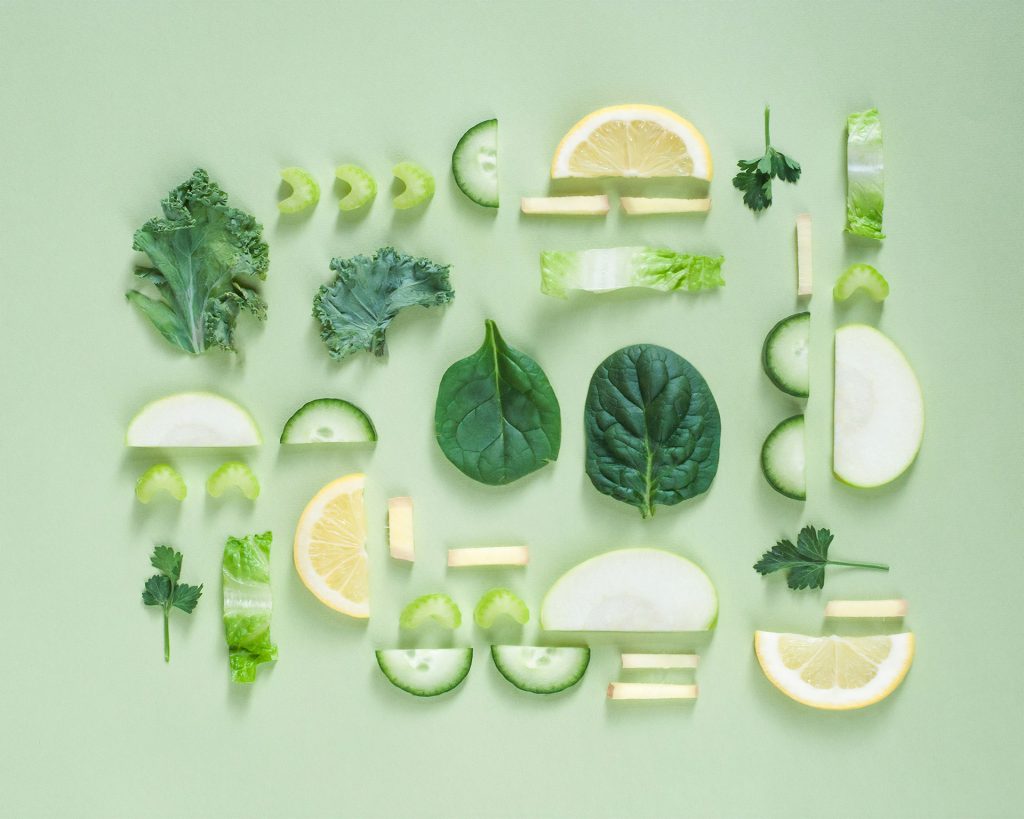
Environment
Information on the air that we breathe, animals, plants and the soil beneath our feet, and how to maintain their optimal health.
CHANGE YOUR LIFE
Make Your Journey
Greener With Our Green Tips!
Guilty about your carbon footprint? Fret not, we are on top of all the latest and greatest ways of living a fun life without doing too much damage!
- The Garden: Nature’s Living Storybook and Humanity’s Oldest Playground
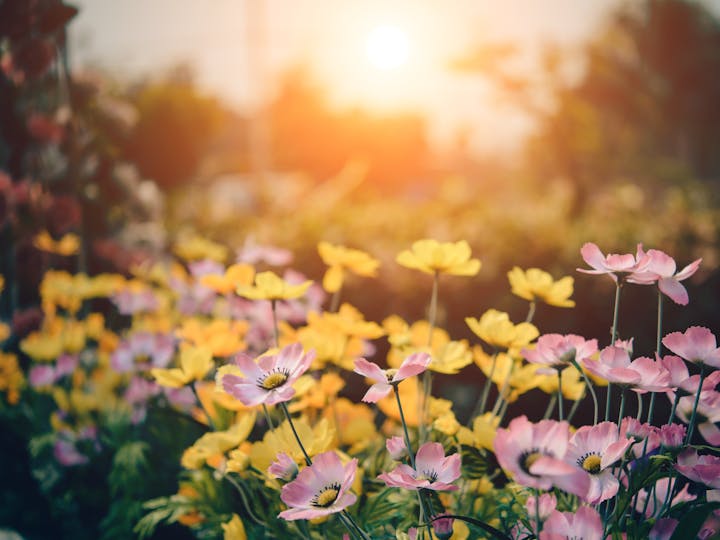 Step through the wooden gate. Can you smell it? That delicate mix of damp earth,… Read more: The Garden: Nature’s Living Storybook and Humanity’s Oldest Playground
 - 7 Greener Habits in the Kitchen That Make a Big Impact
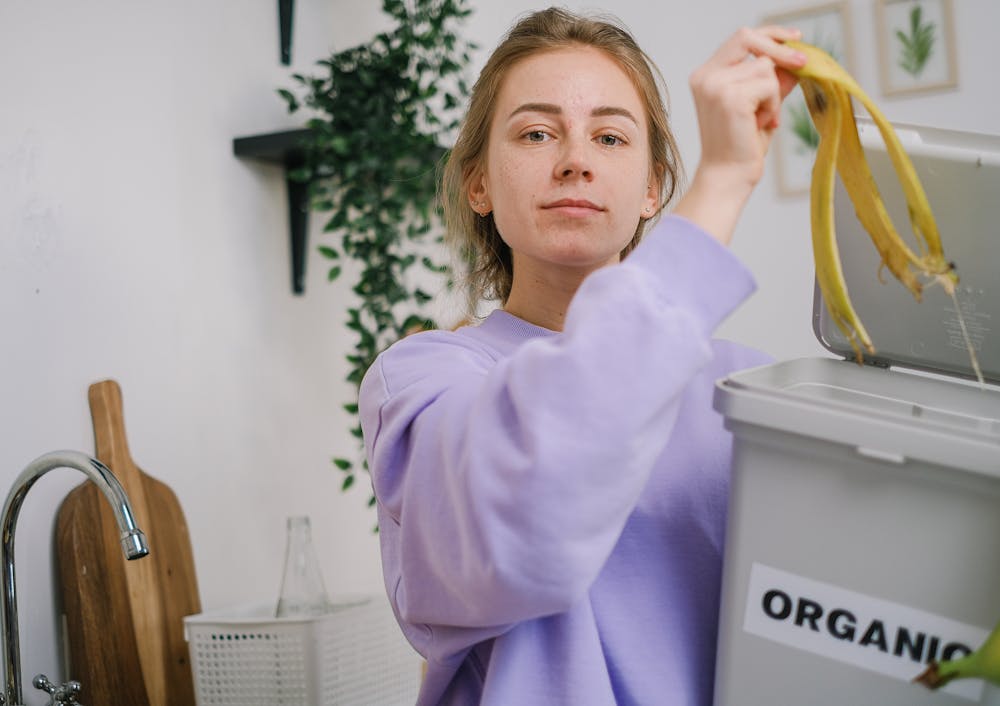 The kitchen is the heart of the home—and also one of the biggest sources of… Read more: 7 Greener Habits in the Kitchen That Make a Big Impact
 - Sustainable Swaps You Can Make On Everyday Household Items
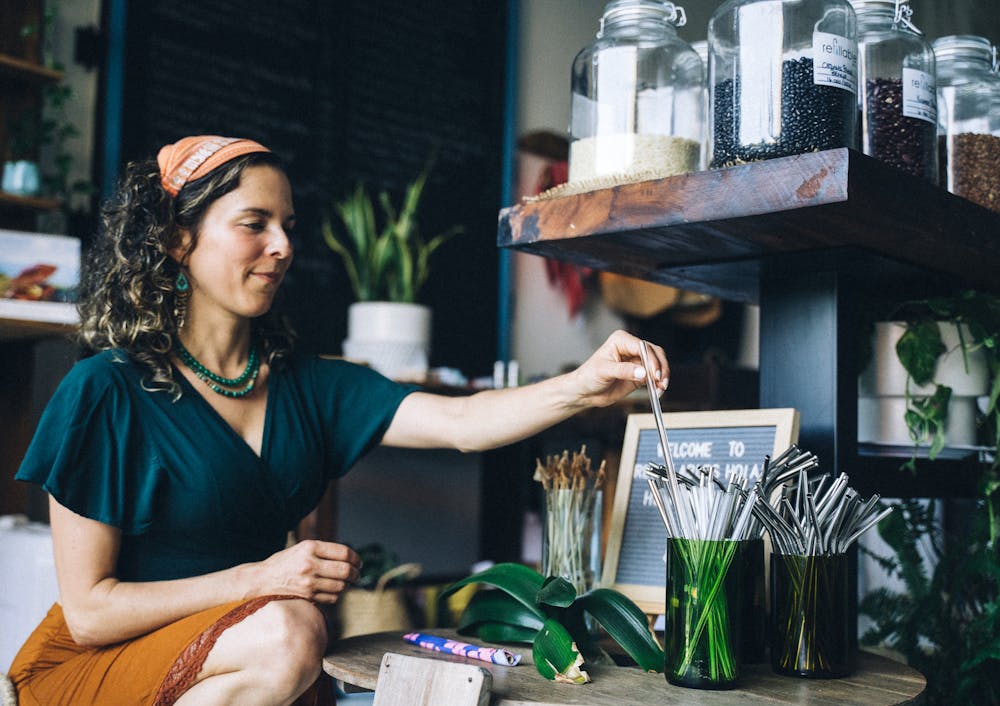 These days, everyone wants to make an effort to be more environmentally-friendly. For lots of… Read more: Sustainable Swaps You Can Make On Everyday Household Items
GREEN TRAVEL
Sustainable Tourism
We aim to educate lovers of travel on the best long-term
practices for tourism, so that it’s a greater net positive for
local employment and our often fragile nature.
- How to Live a More Sustainable Life
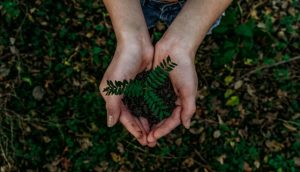 We are now more than ever facing climate change consequences and there is an immediate… Read more: How to Live a More Sustainable Life
 - The Best Destinations for Sustainable Tourism in Spain
 Thanks to its diverse natural landscapes, cultural heritage, and commitment to eco-friendly practices, Spain is… Read more: The Best Destinations for Sustainable Tourism in Spain
Veganism / Plant-Based
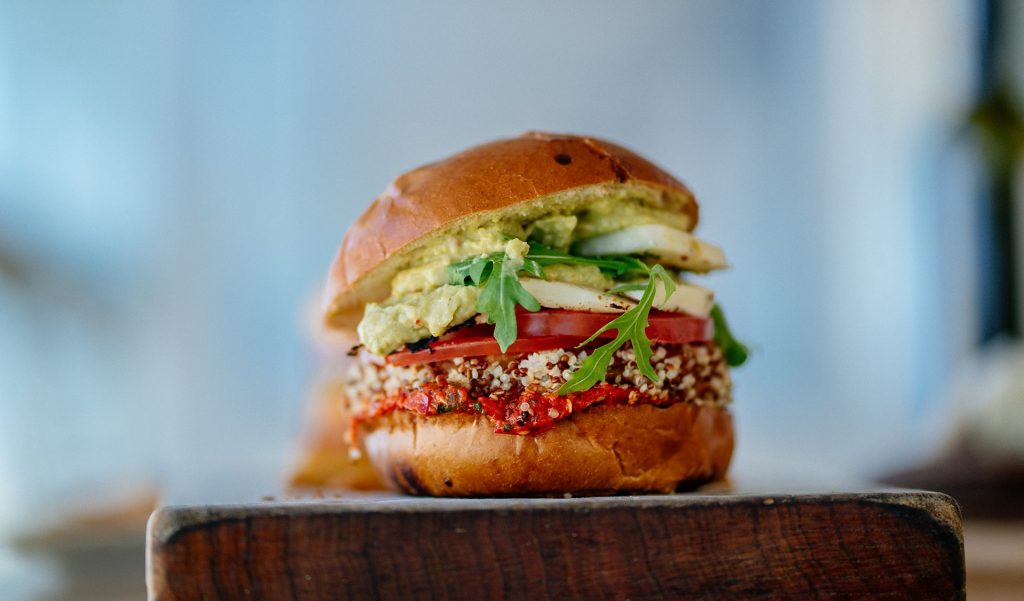
Gravitating more towards a plant-based diet is one of the best things you can do for the planet. It’s also kinder too and can be healthy if planned accordingly.