
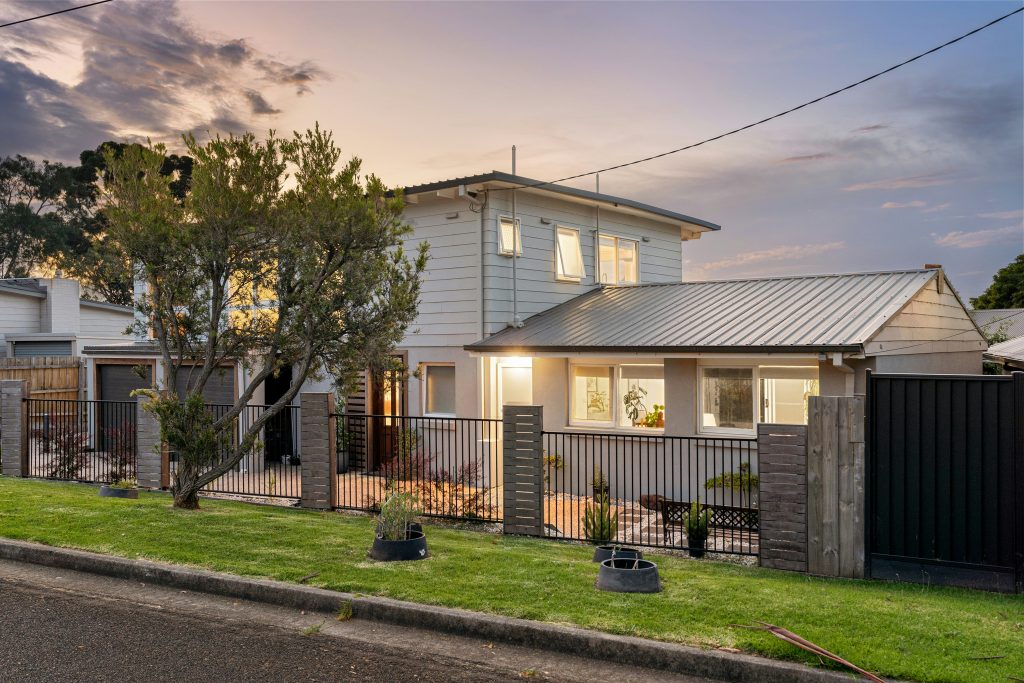
For generations, homes across the UK have been designed with one overriding goal: keep the heat in. Thick insulation, smaller windows, and airtight construction made perfect sense in a country defined by damp winters and chilly evenings. But that logic is beginning to unravel.
As summers grow hotter and heatwaves become more frequent, a pressing question emerges: are our homes quietly working against us? Continue reading to learn more.
Built for Cold, Struggling with Heat
The UK’s housing stock reflects its past climate. Many properties, from Victorian terraces to post-war semis, were built to retain warmth efficiently. That design principle has shaped everything from insulation standards to window placement.
But the climate is changing faster than our homes are.
Recent data shows that overheating in UK homes has surged dramatically over the past decade. What was once a relatively minor issue has become widespread, with a significant proportion of homes now experiencing uncomfortable indoor temperatures during warmer months.
What once protected us from the cold is now trapping unwanted heat. Insulation and airtightness, while excellent for energy efficiency in winter, can turn homes into heat traps when temperatures climb.
The Overheating Reality
This is not just about discomfort. It is becoming a serious health issue.
More homes are struggling to meet comfortable sleeping conditions during hot weather, leading to disrupted sleep, fatigue, and reduced productivity. Over time, this can have a real impact on wellbeing, especially for vulnerable groups such as older adults and young children.
The scale of the issue is growing. As temperatures continue to rise, more households will face the challenge of managing heat indoors, often without the infrastructure or design features needed to cope effectively.
The Design Flaws We Are Only Now Noticing
When you look closely, the issue is not just about temperature. It is about how homes interact with sunlight, airflow, and materials.
Several design choices contribute to overheating:
- Large, unshaded windows that let in solar heat
- Poor ventilation that prevents heat from escaping
- Dark external materials that absorb and radiate warmth
- Layouts that restrict airflow through the home
These are not unavoidable problems. In many cases, they are the result of design decisions that prioritised one set of conditions without considering another.
Retrofitting the Past
The reality is that most of the homes people will live in over the next 30 years already exist. That means adaptation, not just new construction, is the real challenge.
Retrofitting solutions include improving airflow, adding shading, and making smarter use of materials that reflect rather than absorb heat. Even relatively simple changes, such as reducing direct sunlight entering through windows, can significantly improve indoor comfort.
Rather than relying on reactive cooling, the focus is increasingly shifting towards preventing heat build-up in the first place.
Designing for Flexibility, Not Just Insulation
The future of housing is not about choosing between warmth and coolness. It is about flexibility.
Homes need to adapt throughout the year, responding to changing conditions rather than locking in one approach.
This shift is visible in the growing popularity of adaptable architectural features. Solutions offered by Slide & Fold reflect this move towards more fluid living spaces. Large openings, improved glazing, and flexible configurations can support better airflow and help reduce heat build-up when designed with care.
The key is not simply adding more glass or bigger openings. It is about how those elements are integrated. Orientation, shading, and ventilation all need to work together to create a balanced indoor environment.
The Bigger Picture of Comfort, Health, and Resilience
This conversation is about more than temperature. It is about how we live.
A well-designed home should support comfort, sleep, productivity, and health throughout the year. As temperatures rise, thermal comfort becomes a defining feature of quality housing.
There is also a growing inequality dimension. Those who cannot easily upgrade their homes or access cooling solutions are often the most exposed to overheating risks.
Design, therefore, is not just an architectural issue. It is a social one.